Bahauddin Naqshband Shrine: Inside Bukhara's Holiest Sufi Pilgrimage Site (2026 Guide)
· 10 min read · Religion
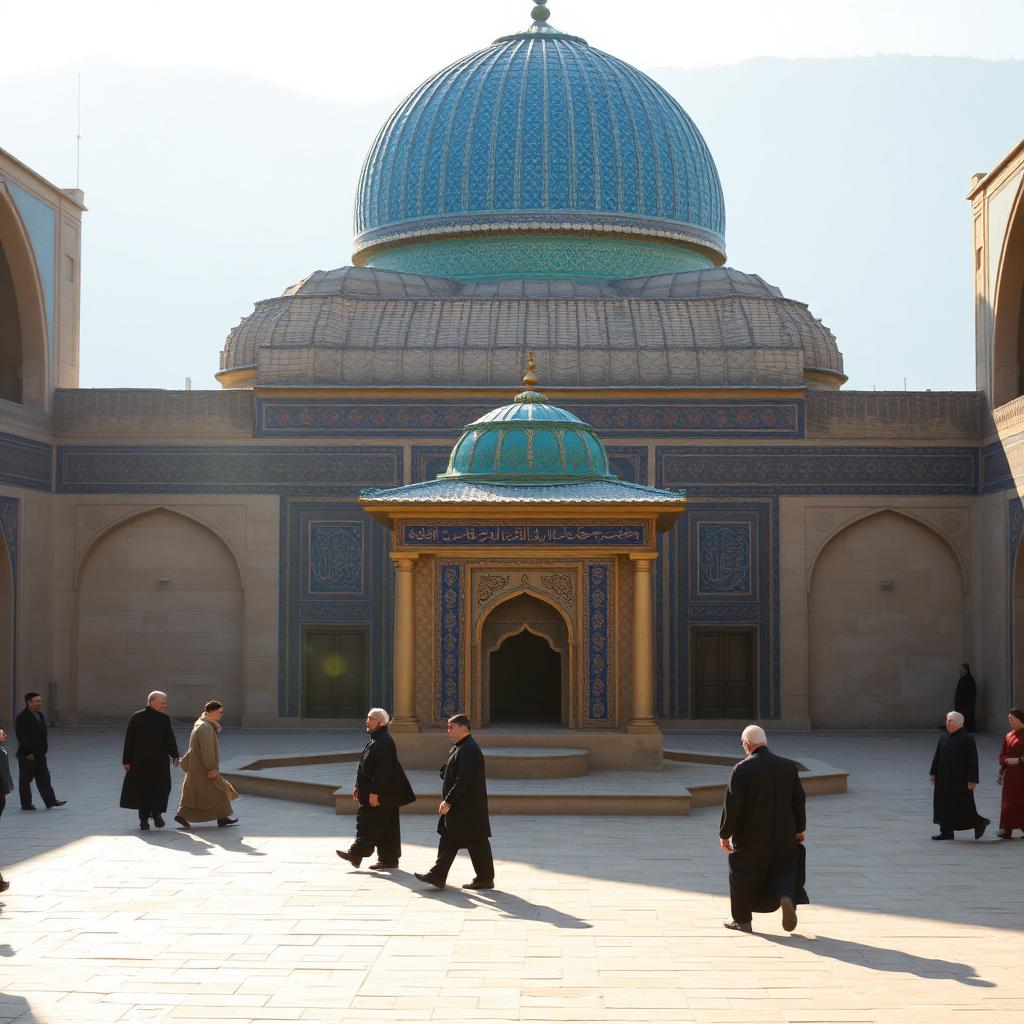
Twelve kilometers outside Bukhara is a complex where Muslims from Turkey, Indonesia, Tatarstan and Western China pilgrimage for spiritual healing — and almost no Western tourist visits. Here's the 2026 guide to one of Sufism's most sacred shrines.
Most visitors to Bukhara see the Lyabi-Hauz, the Kalyan minaret, the Ark fortress, and head to Samarkand. They miss what for 200 million Muslims worldwide is the spiritual heart of Bukhara — the Memorial Complex of Bahauddin Naqshband, the 14th-century founder of one of Sunni Islam's largest Sufi orders. Pilgrims fly in specifically for it from Turkey, Indonesia, Tatarstan, Daghestan, and Xinjiang. This is the 2026 guide to visiting respectfully as a non-Muslim traveler.
Who was Bahauddin Naqshband?
Khwaja Muhammad Bahauddin Naqshband Bukhari (1318–1389) was a Bukharan Sufi master, mystic, and craftsman — his title 'Naqshband' literally means 'pattern-maker' or 'engraver' (he worked metal). His central teaching was 'Khilwat dar Anjuman' — solitude in the crowd — meaning the spiritual path runs through ordinary work and ordinary life, not through monastic withdrawal. He was a contemporary of Tamerlane, who built his own tomb in Samarkand within a generation. The Naqshbandi order he founded is today one of the largest Sufi tariqas in the world, with millions of followers from Morocco to Indonesia.
The 'silent dhikr' that made Naqshbandi famous
Unlike many Sufi orders that practice loud collective chanting (dhikr) of God's names, the Naqshbandi developed 'dhikr-i khafi' — the silent remembrance, performed entirely in the heart. This is one reason the order survived underground during Soviet anti-religious campaigns: it left no audible trace. After 1991 it re-emerged as the dominant Sufi tradition across Central Asia.
What you actually see at the complex
The tomb of Bahauddin Naqshband
A simple white marble slab inside a small courtyard, surrounded by elaborate carved fencing donated by pilgrims from across the Islamic world. There is no grand building over the grave itself — Naqshband insisted on humility, and his followers honor that.
The dakhma (square platform) with the holy stone
Adjacent to the tomb is a low square platform where pilgrims walk three times counter-clockwise (some Sufi traditions walk seven), touching a polished black stone said to have been Naqshband's prayer stone. The ritual is open to non-Muslims who want to participate respectfully.
The wish-fulfilling mulberry tree
An ancient mulberry stump in the courtyard, said to have been planted by Naqshband himself by sticking his walking staff into the ground. Pilgrims circle it three times, touch the trunk, and make a quiet wish. Photographing pilgrims at the tree is considered intrusive — ask permission or photograph from distance.
Hakim Kushbegi mosque and madrasa
A larger 16th-century mosque-madrasa complex built around the shrine by successive Bukharan emirs as the cult of Naqshband grew. Beautiful blue dome and a serene courtyard with reflecting pool.
Khanaqah and the Sufi museum
A small museum on the western side displays Sufi manuscripts, prayer beads, dervish caps, and historical photos. Free with shrine entry.
How to get there in 2026
- Taxi from Bukhara old town: 12 km north-east, 20 minutes, 60,000 UZS ($5) one way. Hire round trip with 90 minutes waiting for 150,000 UZS.
- Yandex Go from Lyabi-Hauz: 50,000–70,000 UZS.
- Marshrutka 60 from Bukhara's Karvon bazaar: 5,000 UZS, drops you at the complex entrance, runs every 20 minutes 7:00–19:00.
- Half-day Bukhara surroundings tour from any hotel: combines Naqshband + Sitorai Mokhi Khosa summer palace + Chor Bakr necropolis for $30–45 per person.
2026 tickets and hours
- Entry to the shrine complex: 30,000 UZS ($2.50) for foreigners, free for Muslim pilgrims.
- Sufi museum: included in entry.
- Photo permit: 10,000 UZS extra (no flash inside).
- Open: 7:00–20:00 daily.
- Friday 12:00–14:00 — closed for Jumu'ah prayer.
- English-speaking guide: 200,000 UZS for 90 minutes, arrange at the ticket booth.
Dress code and etiquette
- Strict modest dress: long trousers/skirt, covered shoulders. Women cover hair entering the tomb building (scarves loaned free).
- Shoes off at the tomb entrance.
- Walk counter-clockwise around the dakhma platform — pilgrims will gently correct you if you go the wrong way.
- Speak in whispers inside the tomb building.
- Photography of the tomb itself is allowed; photography of praying pilgrims is not — always ask.
- Do not eat or drink inside the complex except at the designated tea house near the parking lot.
- Pilgrim donations boxes are everywhere — no obligation, but small contributions (10,000–50,000 UZS) are appreciated and go to maintenance.
Best time to visit
Weekday mornings 8:00–10:00 are quietest and the light through the courtyard arches is beautiful. Wednesday and Saturday see the largest Uzbek pilgrim crowds (after weekly markets). Friday afternoons are intense — overflow prayer crowds, organized buses from Tashkent. April–May and September–October are perfect weather; July–August can hit 45°C in this part of Bukhara.
Combine with these nearby
- Sitorai Mokhi Khosa — last Emir of Bukhara's summer palace, 4 km away, same direction.
- Chor Bakr necropolis — 'City of the Dead', 8 km west, dramatic at sunset.
- Bahauddin Naqshband tea house just outside the complex — cheap, authentic plov 35,000 UZS.
- Bukhara old town for the afternoon return — Lyabi-Hauz, Kalyan, Ark.
Honest verdict
If you have any interest in Islamic history, mysticism, or living religious tradition, Bahauddin Naqshband is the single most important site you will visit in Uzbekistan. The architecture is more modest than Samarkand and the tilework less spectacular than Bukhara's Kalyan square — but the spiritual atmosphere is the real thing. Pilgrims from 30 countries are praying around you. Two hours, half a day with the side trips, will leave a deeper impression than another madrasa courtyard.